Complete guide to monkey mesh & monkey enclosure mesh: how to choose, install, and maintain. Find high-quality, durable monkey mesh for safe primate habitats. Custom options available at Xn Wire Mesh.
If you’re a zoo keeper, wildlife sanctuary manager, or a pet owner raising primates, you know that a secure and reliable enclosure is non-negotiable. Monkeys are intelligent, agile, and curious creatures—they can easily escape or get injured if the enclosure mesh is not up to standard. This is where high-quality monkey mesh and monkey enclosure mesh come into play. In this comprehensive guide, we’ll cover everything you need to know about choosing, installing, and maintaining monkey mesh, helping you create a safe habitat for primates while avoiding common pitfalls.
Why Quality Monkey Mesh Matters: Safety First for Primates & Managers
Monkeys are natural climbers and chewers—ordinary mesh materials can’t stand up to their activity. Low-grade mesh may tear, rust, or have overly large openings, leading to three major risks: escape of monkeys (which can cause property damage, human-wildlife conflicts, or injury to the animals), intrusion of predators, and injury to the monkeys themselves (such as getting limbs stuck in mesh gaps).
High-quality monkey enclosure mesh solves these problems by offering exceptional durability, corrosion resistance, and precise aperture design. It not only protects the monkeys but also reduces long-term maintenance costs for enclosure managers. Whether you’re building a new enclosure or upgrading an existing one, investing in the right monkey mesh is the foundation of a safe primate habitat.
How to Choose the Right Monkey Mesh: Key Factors to Consider
Choosing the correct monkey mesh requires considering the species of monkeys, enclosure size, environmental conditions, and safety standards. Here are the critical factors to guide your selection:
1. Material: Corrosion Resistance for Long-Term Use
The material of the mesh directly determines its service life and safety. Common materials for monkey enclosure mesh include:
Stainless Steel Mesh: The best choice for most environments. It has excellent corrosion resistance (suitable for both indoor and outdoor enclosures, even in humid or coastal areas), high strength, and is non-toxic to monkeys. It’s resistant to chewing and won’t rust or degrade easily.
Galvanized Steel Mesh: A cost-effective option. Hot-dip galvanizing treatment enhances corrosion resistance, making it suitable for outdoor enclosures in dry to moderately humid areas. It’s strong and durable but requires regular inspection in highly corrosive environments.
PVC-Coated Mesh: Adds a layer of PVC to steel mesh, improving corrosion resistance and reducing friction (to avoid injuring monkey fur/skin). It’s available in various colors, allowing for better integration with the enclosure’s aesthetic, but the coating needs to be checked for wear over time.
Recommendation: For most commercial enclosures (zoos, sanctuaries), stainless steel monkey mesh is the most reliable choice. For small-scale pet enclosures in dry areas, galvanized or PVC-coated mesh can be a budget-friendly alternative.
The size of the mesh openings is crucial—too large, and small monkeys or young primates can escape or get stuck; too small, and it may block ventilation or visibility. The ideal aperture size depends on the monkey species:
Monkey Species Type
Recommended Aperture Size
Reason
Small Species (e.g., Marmosets, Tamarins)
1.2cm x 1.2cm to 2cm x 2cm
Prevents small bodies/limbs from getting stuck and avoids escape
Medium Species (e.g., Capuchins, Macaques)
2cm x 2cm to 3cm x 3cm
Balances safety and ventilation; resists chewing damage
Large Species (e.g., Baboons, Orangutans)
3cm x 3cm to 5cm x 5cm (with thicker wire)
Requires thicker wire for strength; larger apertures don’t compromise safety for large primates
3. Wire Diameter: Ensure Strength Against Chewing & Impact
Thicker wire means higher strength. For monkey mesh, the recommended wire diameter ranges from 1.5mm to 4mm:
Small monkeys: 1.5mm – 2.0mm
Medium monkeys: 2.0mm – 3.0mm
Large monkeys: 3.0mm – 4.0mm
Avoid overly thin wire, as it can be easily chewed through by medium to large monkeys. For enclosures with high activity levels, choosing a slightly thicker wire than the minimum recommendation is advisable.
4. Environmental Adaptability: Match Local Conditions
If the enclosure is outdoors, consider local weather:
Coastal areas (high salt content): Choose 316 stainless steel mesh for maximum corrosion resistance.
Humid areas (rainforests, wetlands): Stainless steel or PVC-coated mesh is preferred.
Dry, sunny areas: Galvanized mesh can work, but add a UV-resistant coating if exposed to intense sunlight for long periods.
Step-by-Step Guide to Installing Monkey Enclosure Mesh
Proper installation is as important as choosing the right mesh. Poor installation can lead to gaps or loose areas, creating safety hazards. Follow these steps for a secure installation:
1. Prepare the Enclosure Frame
Ensure the enclosure frame (wood, steel, or concrete) is stable, level, and free of sharp edges. Smooth any rough surfaces to avoid tearing the mesh. For large enclosures, add intermediate supports (every 1.5m – 2m) to prevent the mesh from sagging.
2. Cut the Mesh to Size
Measure the dimensions of the enclosure sections and cut the monkey mesh with a wire cutter, leaving an extra 5cm – 10cm on all sides for securing. Avoid stretching the mesh excessively during cutting, as this can distort the apertures.
3. Secure the Mesh to the Frame
Start from one corner: Attach the mesh to the frame using stainless steel staples, bolts, or cable ties (choose corrosion-resistant fasteners). Space fasteners 10cm – 15cm apart for small to medium mesh, and 8cm – 12cm apart for large mesh.
Pull the mesh taut: Ensure the mesh is tight (no sagging) before securing the opposite side. Sagging mesh can be pulled or chewed by monkeys, creating gaps.
Seal gaps: Check for any gaps between the mesh and the frame, or between mesh panels. Use additional mesh strips or sealant to cover gaps larger than 0.5cm.
4. Post-Installation Inspection
After installation, inspect the entire enclosure:
Check for loose fasteners or sagging mesh.
Ensure no sharp edges (from mesh or fasteners) are exposed.
Test the mesh strength by gently pulling on different sections (simulate monkey activity).
Choosing the right rope mesh fence for your building and decorative materials is crucial to ensure safety, security, and aesthetic appeal. In this article, we will guide you through the process of selecting the perfect rope mesh fence.
Maintenance Tips for Monkey Mesh: Extend Service Life
Regular maintenance keeps your monkey enclosure mesh in good condition and extends its service life. Follow these tips:
Regular Cleaning: Remove dirt, debris, and monkey waste from the mesh using a soft brush and water (avoid harsh chemicals, which can damage the mesh coating or corrode metal). For stubborn stains, use a mild detergent.
Corrosion Inspection: Check for rust, discoloration, or coating wear (especially in humid/outdoor areas). replace corroded sections immediately to prevent further damage.
Fastener Check: Tighten any loose fasteners and replace missing or damaged ones.
Damage Repair: If the mesh has small tears, repair them with mesh patches and strong adhesive. For large damage, replace the entire section to avoid safety risks.
Recommendation: Conduct a full inspection every 3 months for indoor enclosures and every 1 month for outdoor enclosures. A yearly professional maintenance check is ideal for large commercial enclosures.
Why Choose XN Wire Mesh for Your Monkey Enclosure Mesh Needs?
At XN Wire Mesh (www.xnwiremesh.com), we specialize in manufacturing high-quality monkey mesh and monkey enclosure mesh tailored to primate habitat requirements. Our products offer:
Premium Materials: 304/316 stainless steel, hot-dip galvanized steel, and PVC-coated steel options to suit any environment.
Customizable Specifications: Aperture size (1cm – 5cm), wire diameter (1.5mm – 4mm), and mesh size can be customized to match your specific monkey species and enclosure design.
Strict Quality Control: Each mesh panel undergoes rigorous strength and corrosion resistance testing to ensure safety and durability.
Global Shipping & Professional Support: We ship to worldwide destinations and provide expert advice on mesh selection, installation, and maintenance.
Whether you’re a zoo, wildlife sanctuary, or pet owner, we have the right monkey mesh solution to keep your primates safe and your enclosure secure. Contact our team today for a free quote and customized recommendation!
Final Thoughts
Choosing and installing the right monkey mesh is essential for creating a safe, durable, and comfortable enclosure for primates. By focusing on material quality, aperture size, proper installation, and regular maintenance, you can avoid common risks and reduce long-term costs. If you need personalized advice or high-quality monkey enclosure mesh products, XN Wire Mesh is here to help.

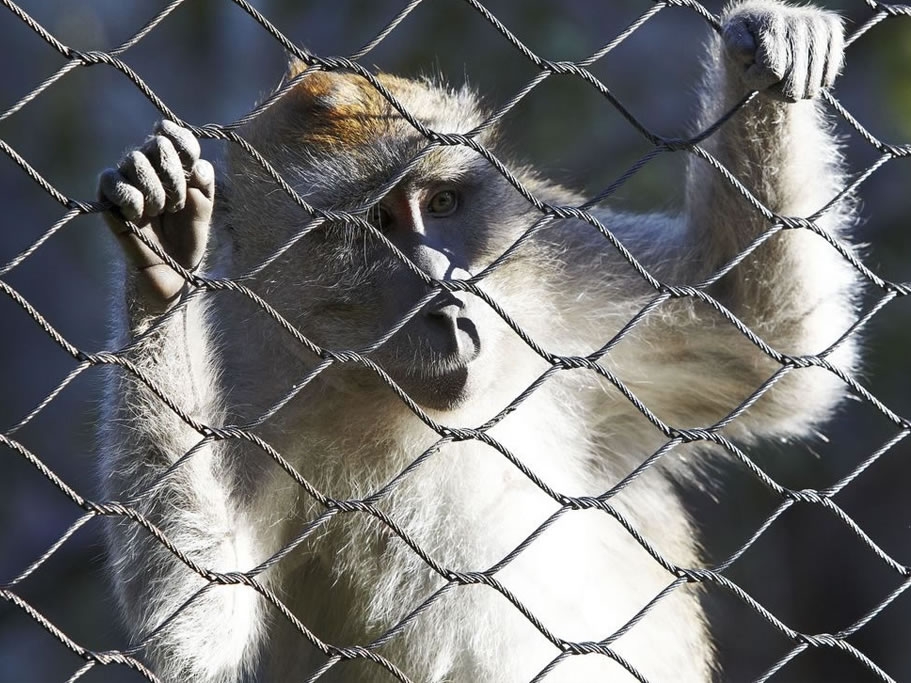
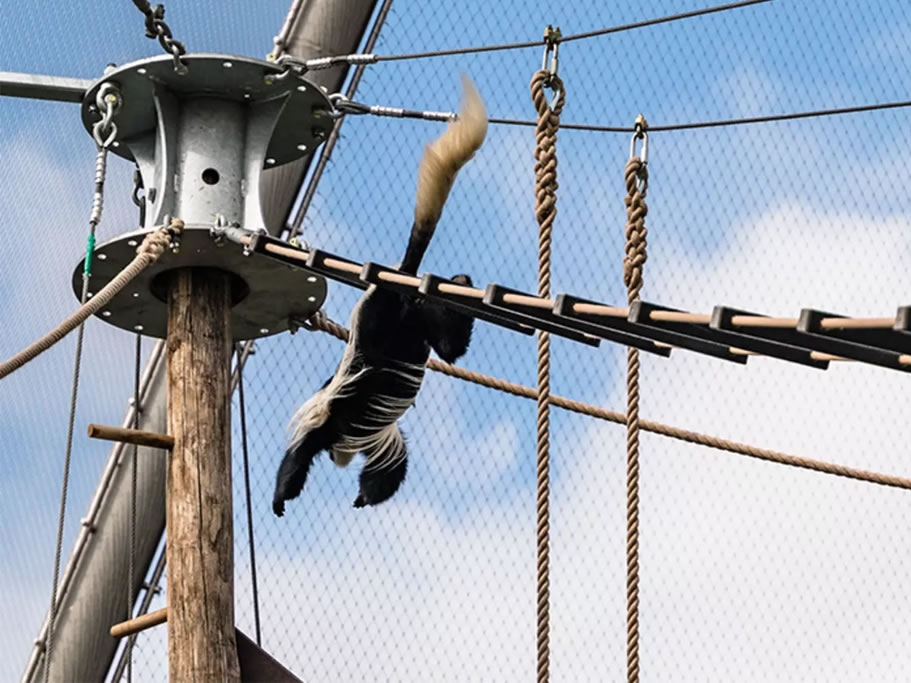

 Animal Enclosure Mesh
 Animal Fence Mesh
 Monkey Enclosure Mesh
 What are the application fields of stainless steel cable mesh?
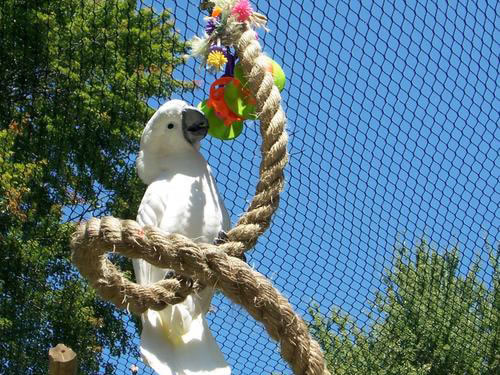 How to choose Aviary Netting
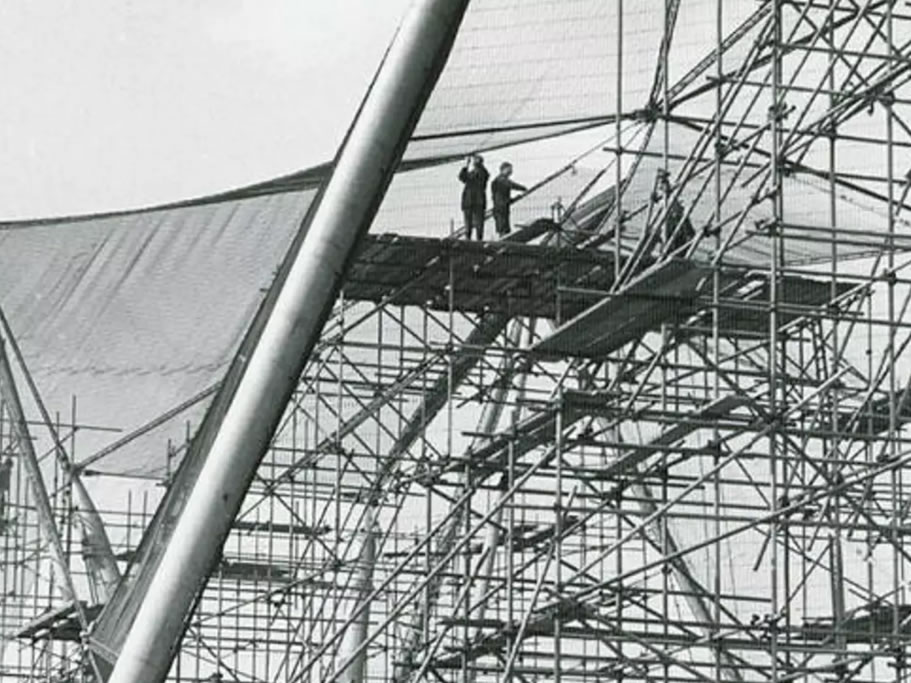 How to Build a Safe and Durable Large Aviary with Stainless Steel Rope Mesh
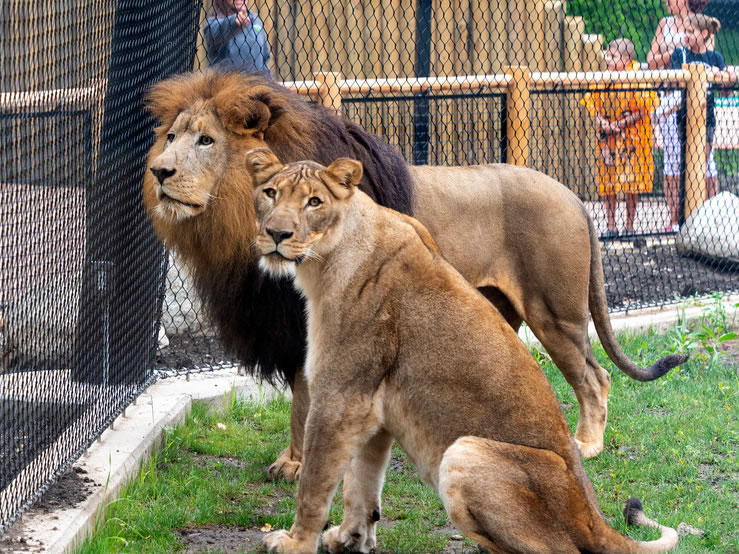 How to Choose Lion Mesh: Practical Scenarios & Specification Recommendations
 Stainless Steel Cable Nets: The Ultimate Solution for Modern Zoo Enclosures
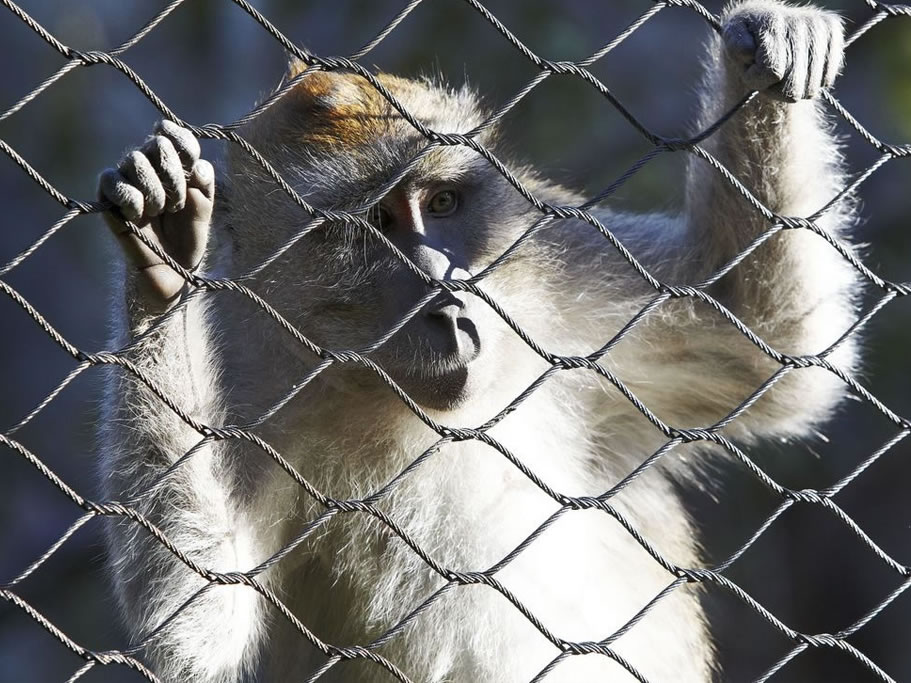 Monkey Mesh & Monkey Enclosure Mesh: Ultimate Guide to Safe, Durable Enclosures (2026)
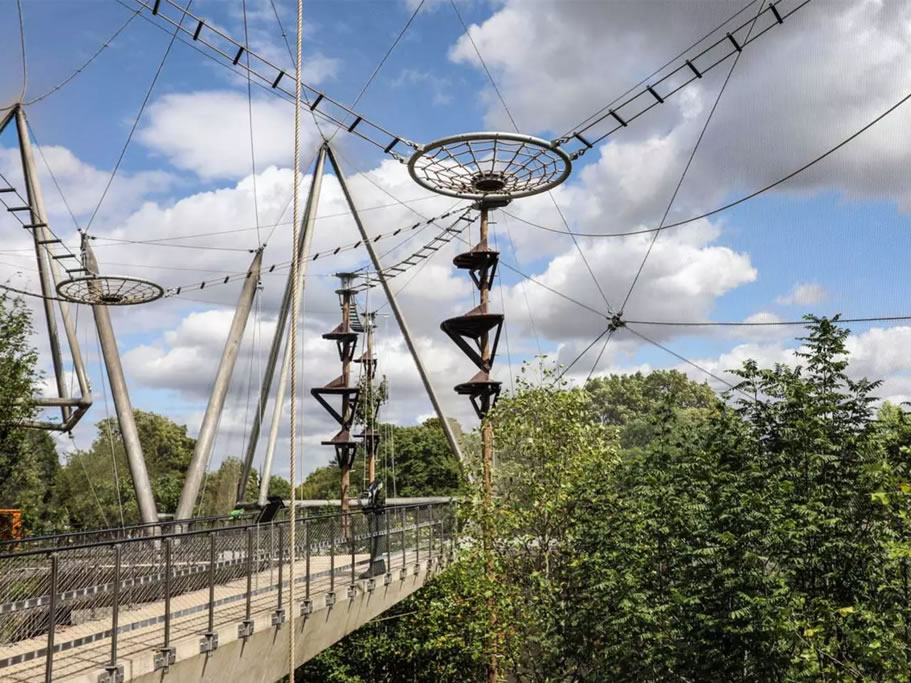 What are the key considerations when constructing a large birdhouse?