Creating a large aviary is an exciting project, whether you’re building a habitat for exotic birds in a zoo, a private collection in your backyard, or a commercial bird park. A well-designed large aviary not only provides ample space for birds to fly and thrive but also ensures their safety and long-term health. However, the success of your large aviary project largely depends on one critical factor: the quality of the wire mesh used. In this comprehensive guide, we’ll walk you through everything you need to know about large aviaries, from key design considerations to choosing the right wire mesh materials, and share essential maintenance tips to keep your aviary in top condition.
Designing a large aviary requires careful planning to balance the needs of the birds, safety requirements, and practicality. Here are the most important factors to keep in mind:
- Space Requirements: Different bird species have varying space needs. For large birds like parrots, macaws, or African greys, a spacious aviary with enough vertical and horizontal space for flying is essential. A general rule of thumb is to provide at least 3 times the wingspan of the largest bird in both length and width. For example, a macaw with a 3-foot wingspan would need an aviary that’s at least 9 feet long and 9 feet wide.
- Location & Environment: Outdoor large aviaries should be placed in an area that avoids extreme weather conditions—such as direct sunlight for extended periods or strong winds. Consider adding shade structures and windbreaks to protect the birds. Indoor aviaries need proper ventilation to prevent moisture buildup and maintain air quality.
- Safety & Security: The enclosure must be escape-proof and predator-proof. This means using a sturdy wire mesh with appropriate aperture sizes to prevent birds from squeezing through and to keep predators like foxes, raccoons, or birds of prey out. Additionally, the mesh should be securely fastened to the frame to avoid gaps.
- Accessibility for Maintenance: Incorporate large doors or removable panels to make cleaning, feeding, and bird care easier. Sliding trays or removable bottom grilles can simplify waste management, a crucial aspect of maintaining a healthy aviary environment.

The wire mesh is the backbone of any large aviary. It directly impacts the safety, durability, and longevity of the enclosure. When selecting wire mesh for your large aviary, consider the following factors: material, wire diameter, aperture size, and construction type.
1. Material Selection: Which Is Best for Large Aviaries?
The material of the wire mesh determines its resistance to corrosion, strength, and lifespan—especially critical for outdoor large aviaries exposed to the elements. The most popular options are:
- Galvanised Wire Mesh: Galvanised mesh is coated with a layer of zinc, making it highly resistant to rust and corrosion. It’s an affordable and durable option for outdoor large aviaries. Available in both welded rolls and rigid panels, galvanised mesh is ideal for a wide range of bird species. Welded galvanised panels (12-8 gauge, 2.5-4mm wire diameter) are recommended for large birds that may try to chew or damage the mesh .
- Stainless Steel 304/316 Wire Mesh: For the ultimate in durability and corrosion resistance, stainless steel 304 or 316 wire mesh is the top choice. 316 stainless steel is particularly suitable for coastal areas or humid environments, as it offers superior resistance to saltwater and moisture. Stainless steel mesh is flexible yet strong, making it ideal for custom-shaped large aviaries. It’s available in various specifications, such as 1.2-2.5mm wire diameter and 15-50mm apertures .
- PVC-Coated Wire Mesh: PVC-coated mesh adds an extra layer of protection against corrosion and provides a smooth surface that’s gentle on birds’ feathers and feet. It’s available in different colors, allowing you to match the aviary to its surroundings. However, it’s important to choose a high-quality PVC coating to avoid cracking or peeling over time.
2. Wire Diameter & Aperture Size: Matching to Bird Species
The wire diameter and aperture size (hole size) of the mesh must be tailored to the birds you’re housing:
- Small Birds (Finches, Budgies, Canaries): Use mesh with 13x13mm apertures and 0.8-1mm wire diameter to prevent escape.
- Medium to Large Birds (Parrots, Macaws, African Greys): Opt for larger apertures (25x25mm to 50x50mm) with thicker wire (1.5-4mm diameter). This provides better visibility and ventilation while ensuring the mesh can withstand the birds’ beaks and claws .
- Predator-Proofing: For outdoor large aviaries, use smaller apertures (15x15mm or smaller) around the base of the enclosure to keep out small predators like rodents.

Welded Wire Mesh: Welded mesh is made by welding wire intersections, creating a rigid and stable structure. It’s ideal for flat panels and straight walls in large aviaries. Welded panels are available in sizes up to 2.44m x 1.22m, making them easy to install .
Knitted/ Rope Mesh: Knitted stainless steel rope mesh is flexible, allowing it to be shaped into curved or irregular enclosures. It’s lightweight yet strong, making it suitable for large, custom-designed aviaries. The flexible nature also reduces the risk of injury to birds if they fly into the mesh.
Maintenance Tips for Large Aviaries
Proper maintenance is essential to keep your large aviary safe and healthy for birds and extend the lifespan of the wire mesh. Here are some key tips:
- Regular Cleaning: Remove waste and debris daily using a rake or shovel. Clean sliding trays weekly with a mild disinfectant to prevent the buildup of bacteria and mold .
- Inspect the Wire Mesh: Check the mesh regularly for signs of damage, such as cracks, rust, or loose welds. Repair or replace damaged sections immediately to prevent escapes or predator access. For galvanised or stainless steel mesh, wipe down with a damp cloth periodically to remove dirt and debris.
- Check Fastenings: Ensure all U-nails, screws, or clips holding the mesh to the frame are secure. Loose fastenings can create gaps that compromise the enclosure’s safety.
- Weatherproofing: For outdoor aviaries, inspect the mesh after extreme weather (heavy rain, strong winds, snow) for damage. Consider applying a protective coating to galvanised mesh every few years to enhance corrosion resistance.
At XN Wire Mesh (www.xnwiremesh.com), we specialize in providing high-quality wire mesh solutions tailored to large aviary projects. Our products offer the following advantages:
- Premium Materials: We offer a wide range of materials, including galvanised steel, stainless steel 304/316, and PVC-coated wire mesh, to suit any environment and bird species .
- Customizable Specifications: We can customize wire diameter, aperture size, and mesh size to meet your specific large aviary design requirements. Whether you need rigid welded panels or flexible rope mesh, we have you covered.
- Durability & Corrosion Resistance: Our wire mesh is manufactured to the highest standards, ensuring long-term durability even in harsh outdoor conditions. Stainless steel 304/316 mesh offers superior corrosion resistance, making it ideal for coastal or humid areas.
- Easy Installation: Our wire mesh products are designed for easy installation, with clear instructions and compatible fastenings available. We also offer professional advice to help you choose the right mesh for your project.
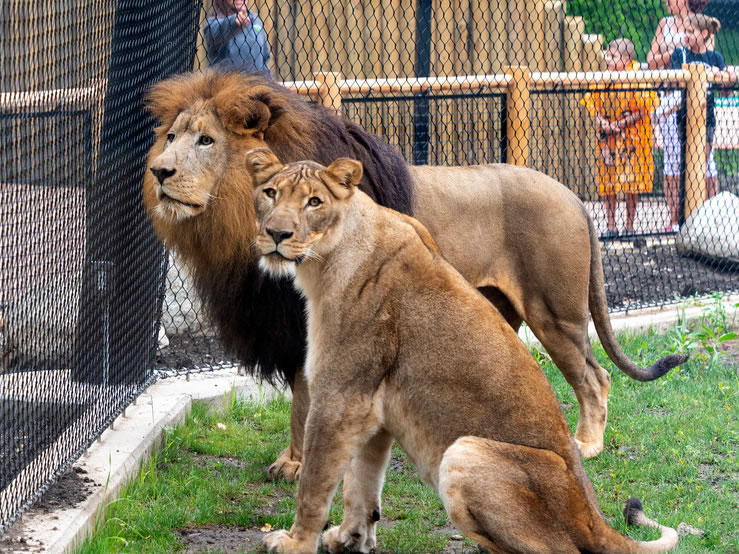 How to Choose Lion Mesh: Practical Scenarios & Specification Recommendations
 Stainless Steel Cable Nets: The Ultimate Solution for Modern Zoo Enclosures
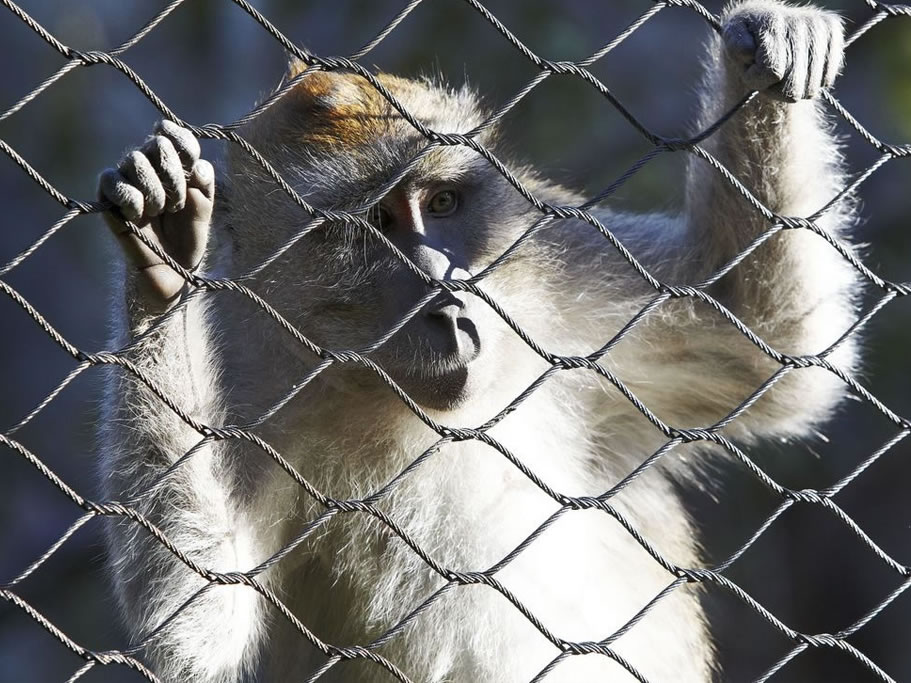 Monkey Mesh & Monkey Enclosure Mesh: Ultimate Guide to Safe, Durable Enclosures (2026)
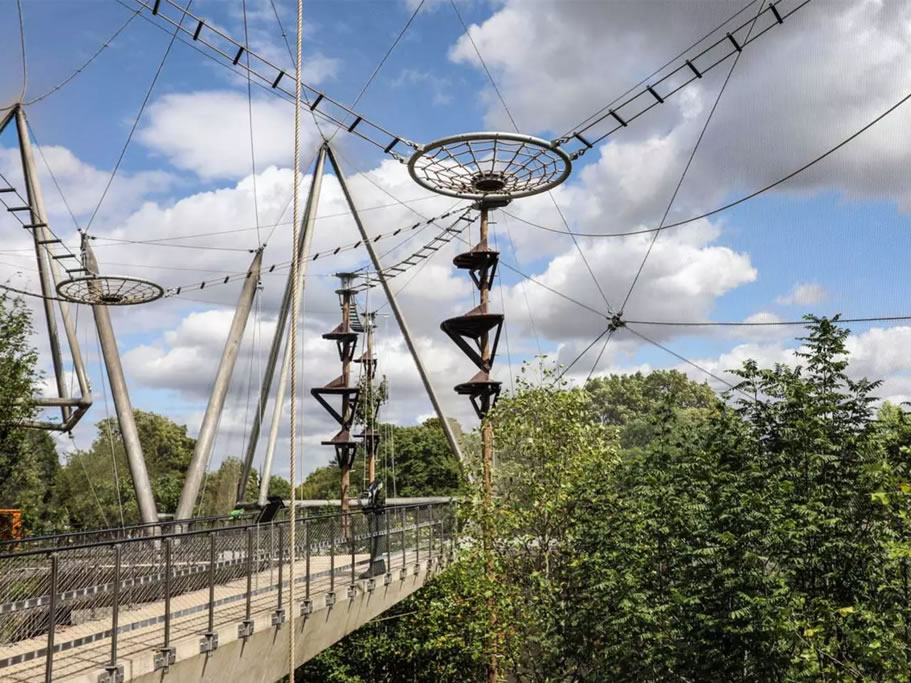 What are the key considerations when constructing a large birdhouse?